
Downfall
The final days of a desperate and delusional dictator

So, ummm, apropos of nothing… 🙃
I recently watched a film that tells the story of the final days of an eccentric, isolated, and delusional dictator in declining health who’s been terrorizing much of the world while maintaining an iron grip over his political party. (Wouldn’t you know, it’s based on a true story!)
The film is Downfall, a World War II drama covering the last days of Adolf Hitler.1 It’s a pretty safe bet that we all know Hitler dies near the end of WWII. But despite that inherent spoiler, Downfall manages to captivate. It feels impossible to look away from the horror show.
*You can watch it too, for FREE. Keep reading for details on how.
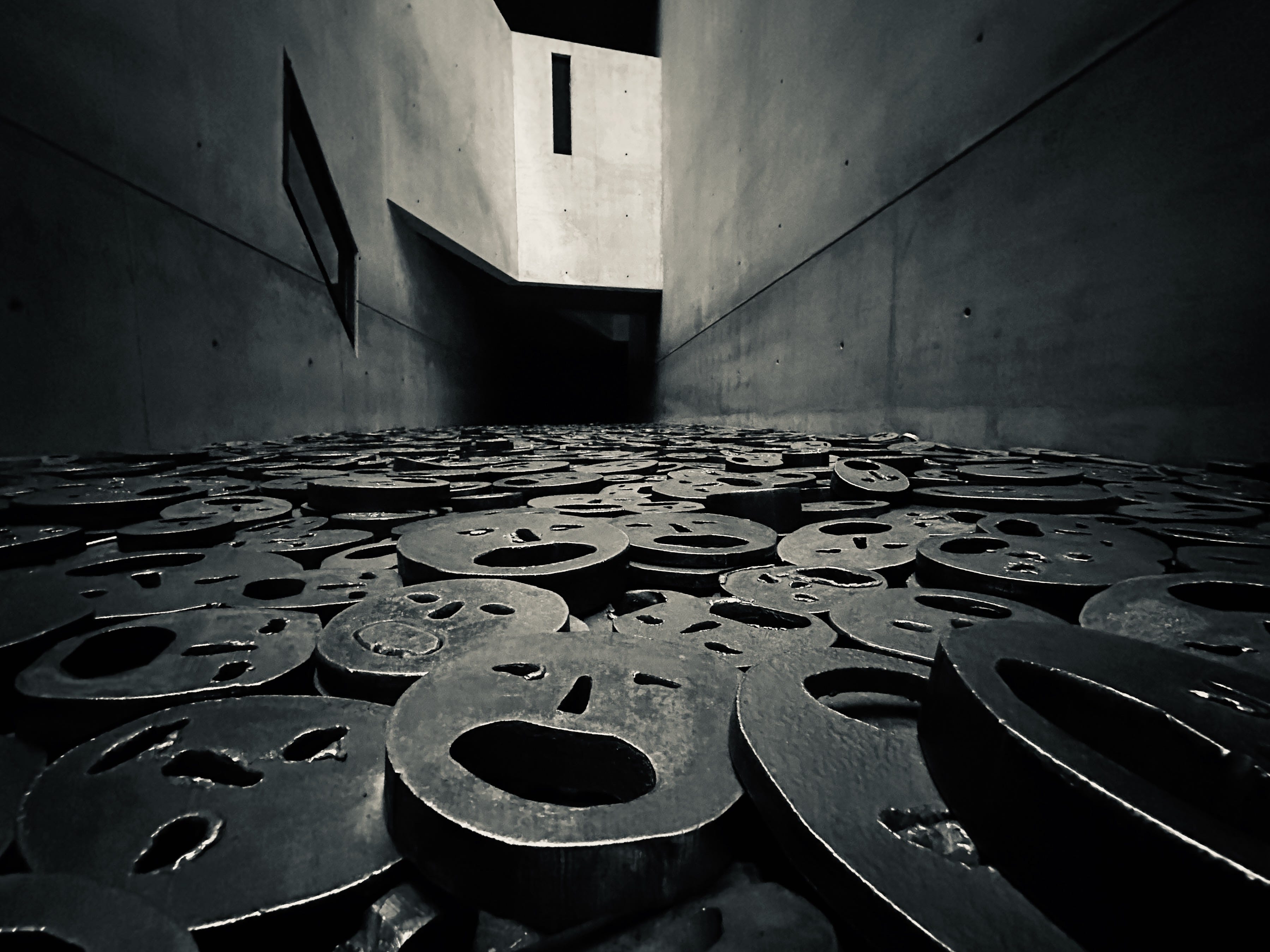
Where It All Began
After watching the movie, I did some research to fill in my knowledge gaps about Hitler’s life. Some of what I found was quite surprising and felt uncannily current.
Hitler, as the leader of the Nazi Party in Germany, worked with others in 1923 to stage a coup, known as the Beer Hall Putsch. The insurrection failed, though four police officers (and 16 Nazis) were killed in the ensuing violence. Hitler was arrested and charged with treason; after a weeks-long trial, he was found guilty and sentenced to five years in prison.2
While imprisoned, Hitler wrote his infamous Mein Kampf, a lengthy 2-volume tome that was both an autobiography and a political manifesto. In it, he outlined his many grievances, including his antisemitic views. He wasn’t subtle; he wrote of “the Jewish peril” and referred to Jews as “poisoners,” “corrupters,” and an “infection that dissolves human society.” (Mein Kampf eventually became a bestseller and went on to sell more than five million copies.)
Hitler’s time in prison was reportedly “more like a holiday” than a punishment due to special treatment, and he was released early after serving just nine months of his sentence. Once out of prison, he set about to gain power through legal and democratic means.
“Hitler’s lesson from the failed putsch was that he needed to pursue revolution through ‘the politics of legality’ rather than storm Munich City Hall. The Nazis would use the electoral process of democracy to destroy democracy.”
-Historian Christopher R. Browning, as quoted in Smithsonian Magazine
In 1932, Hitler ran for president but was defeated by the incumbent. However, the voters were apparently not too bothered by the fact that the party leader was a convicted criminal who had tried to overthrow their government, nor by his open racism, because the Nazis won the most seats in the lower house of parliament. In January 1933, Hitler was appointed as Germany’s new chancellor.
Once in office, Hitler began an aggressive campaign to curtail and override the liberties and constitutional rights of German citizens, particularly those of his political opposition. He also used emergency powers to enact laws without parliamentary oversight. (Additionally, as Wikipedia explains, “Hitler’s rise to power was aided by his willingness to use violence in advancing his political objectives and to recruit party members willing to do the same.”)
Three months after becoming chancellor, Hitler ordered the construction of Germany’s first concentration camp.
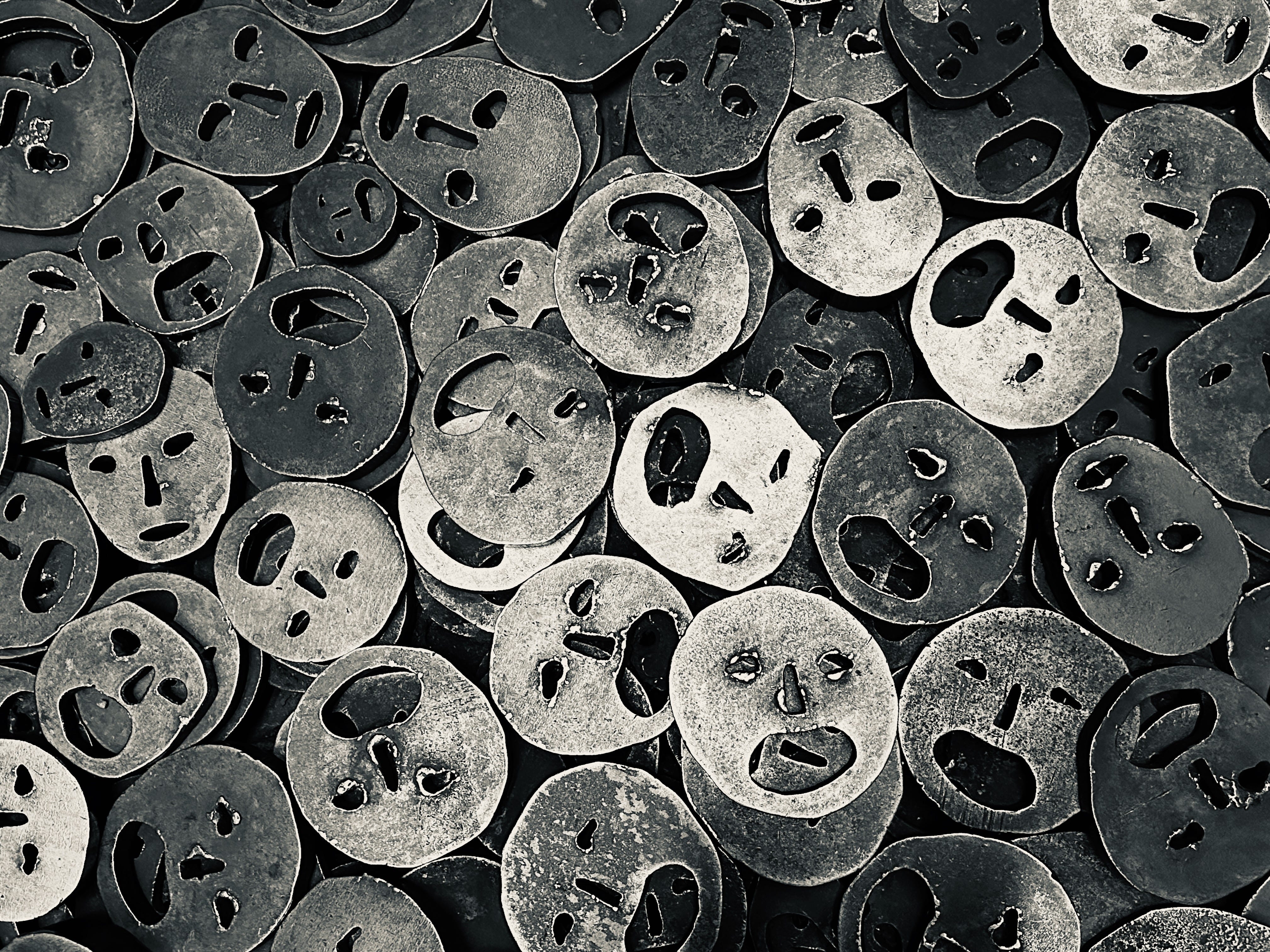
If you haven’t read Timothy Ryback’s “How Hitler Dismantled a Democracy in 53 Days,” you must. The Atlantic article is “a step-by-step account of how Hitler systematically disabled and then dismantled his country’s democratic structures and processes in less than two months’ time—specifically, one month, three weeks, two days, eight hours, and 40 minutes.”
You can read it here with a gift link from my subscription.
Make Germany Great Again?
Hitler, of course, was not content to merely rule Germany. In the spring of 1938, he sent troops into and then annexed Austria in an effort to form a “Greater Germany.” He then took control of part of Czechoslovakia that fall, before occupying all of the country the following spring.
But he was just getting started. In the fall of 1939, he invaded Poland and officially started the war. From there, it was rather rapid-fire invasions of countries including Denmark, Norway, Belgium, France, Italy, the Netherlands, and the Soviet Union. It was a bloody mess that would eventually claim more than 60 million lives worldwide.
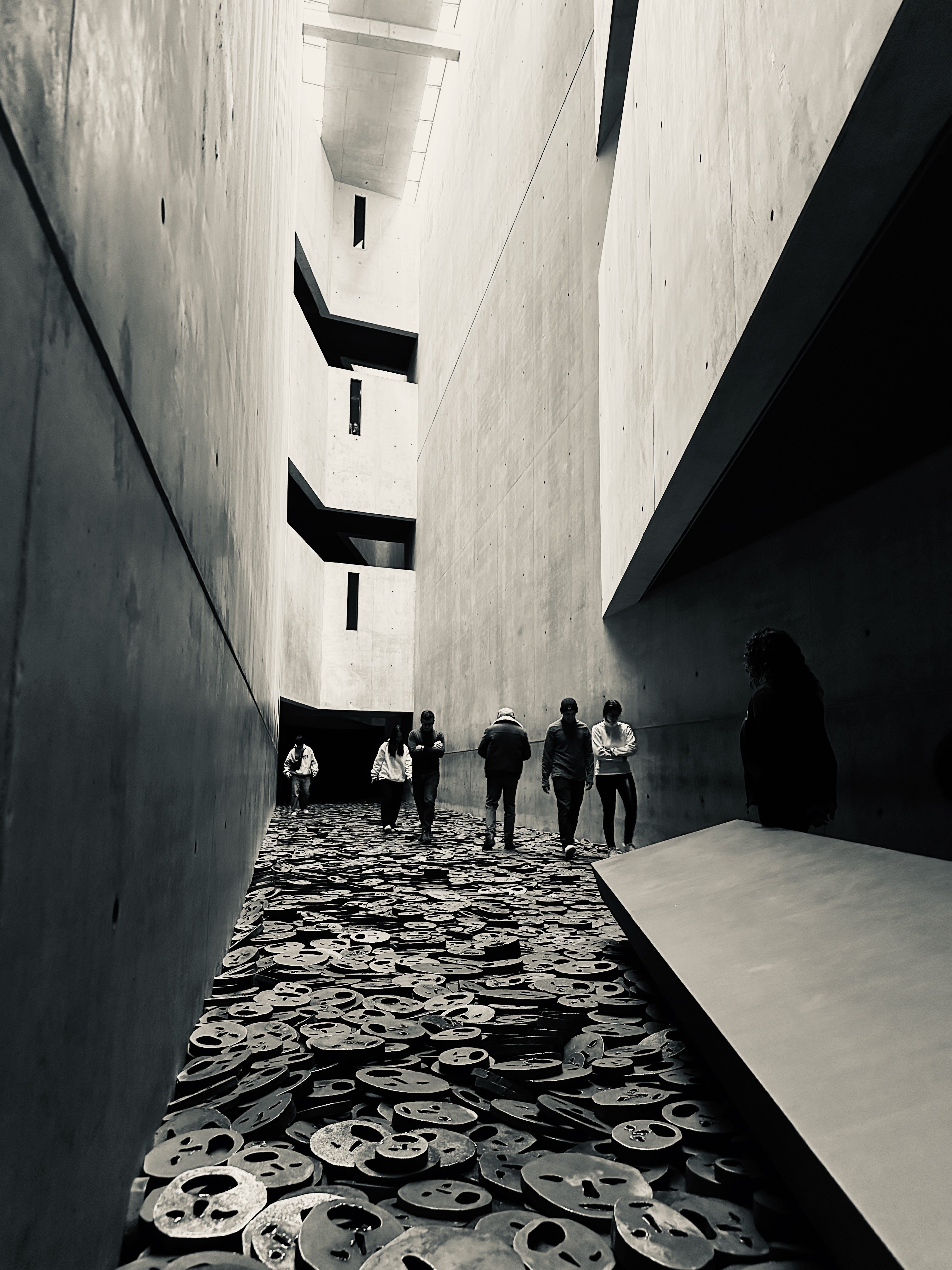
Fast-forward roughly 5.5 years to spring 1945. Chaos, death, and destruction were widespread. Allied forces were closing in on Berlin, and Nazi Germany was on the verge of defeat. In the midst of the intense pressure, Hitler and those closest to him sequestered themselves in an air raid shelter in central Berlin known as the “Führerbunker.”3
Sensing that everything he had championed was lost, Hitler first poisoned his dog, Blondi, and then killed himself in that bunker on April 30, 1945—10 days after turning 56, and just two days after marrying his longtime companion, Eva Braun. They died together, she by ingesting a cyanide capsule, he by a self-inflicted gunshot.
Downfall is “a Masterpiece”
But back to my original subject—the movie—which covers only the final days of Hitler’s life.
The Führer
Actor Bruno Ganz’s portrayal of Hitler’s grandiosity, fury, paranoia, delusions, teetotaling, eccentricities, and occasional charms is simply unforgettable. His ruthless tyranny and manipulation is on full display.
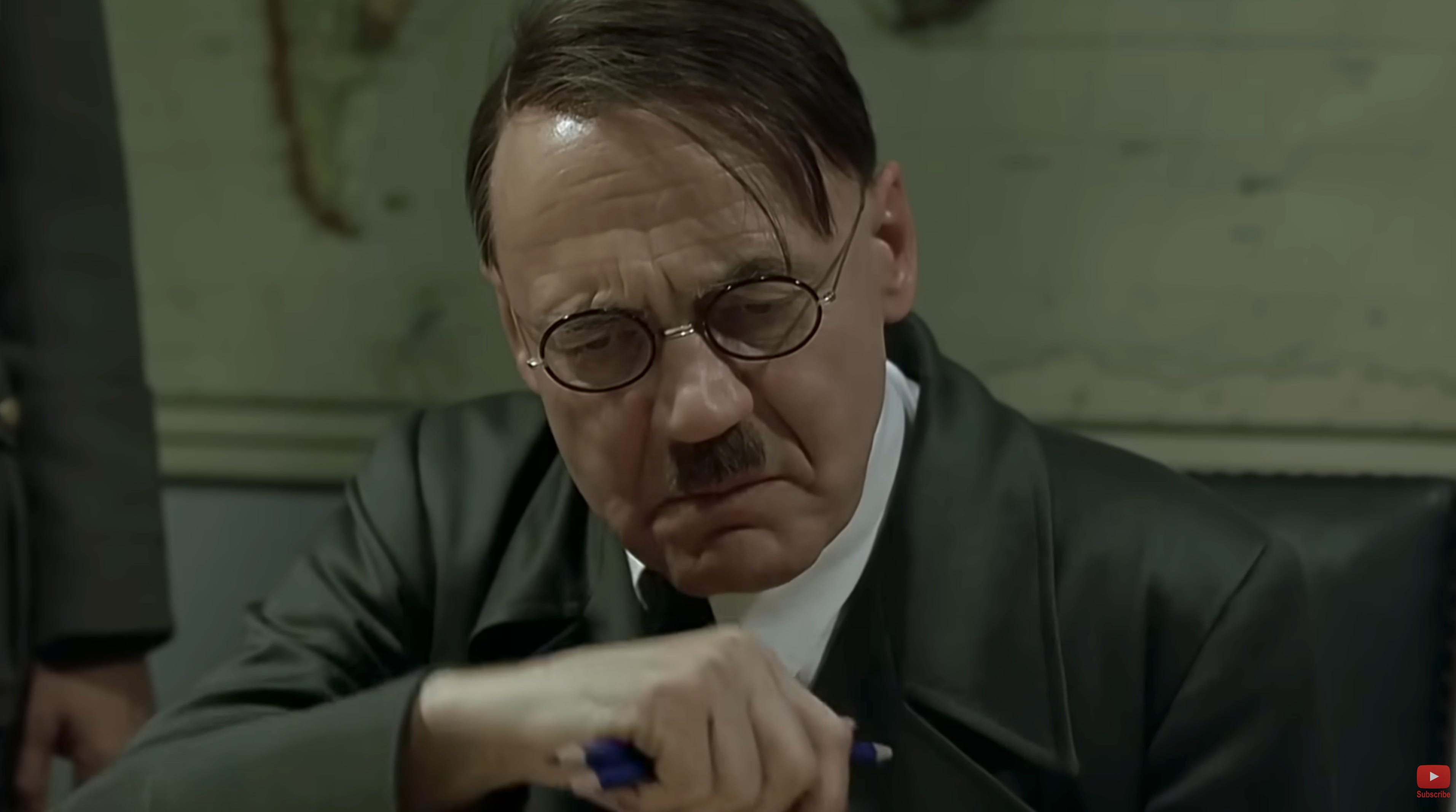
As he slowly realizes the war is lost, Hitler turns on those around him, blaming his generals and the German people (who he views as “weak”) for the impending defeat. He rages against imagined betrayals while still seeking to command decimated forces that are no longer able to fight. In his mind, everyone but himself is to blame. He is beyond reason, right up until his final undoing.
Cowards and Collaborators
A very solid supporting cast portrays those surrounding Hitler.
Many of the people in his inner circle remain in total denial. Led by Braun, they party manically while bombs fall outside. They continue to hang on Hitler’s every word, assuring others he knows what he is doing and emphatically vowing to stand by him.
Others, however, know better. It’s obvious to them that the end is near. They’re anxious, unnerved. They wring their hands and exchange knowing looks of doom. They realize that Hitler is insane and has lost all sense of reality. But they fear telling him what he doesn’t want to hear—and refuses to acknowledge—and so ultimately, they do nothing. They stand down and let him continue to call the shots, until he abandons them by shooting himself.
While excellent performances are given by numerous actors, Ulrich Matthes is especially chilling as Stephen Miller Joseph Goebbels, propagandist for the Nazi Party. One day after Hitler’s demise, Goebbels and his wife poisoned their six children to death and then killed themselves. I guess that is what passes for Nazi family values.
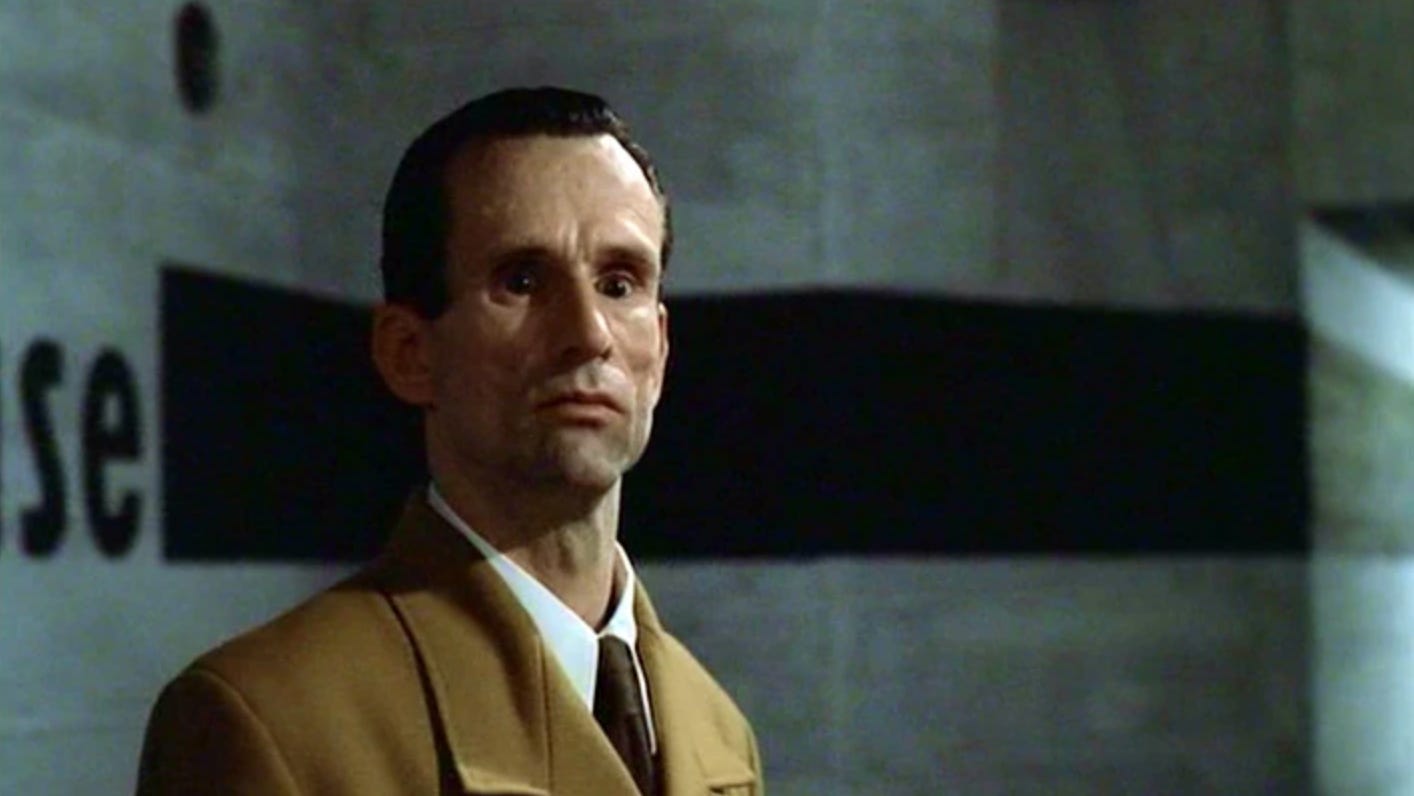
“A masterpiece of historical accuracy and cinematic drama.”
-The Wall Street Journal
Watch the official trailer:
Or better yet, watch the movie! I am not sure why(⁉️), but you can view the entire thing for FREE on YouTube:
And finally, speaking of World War II…
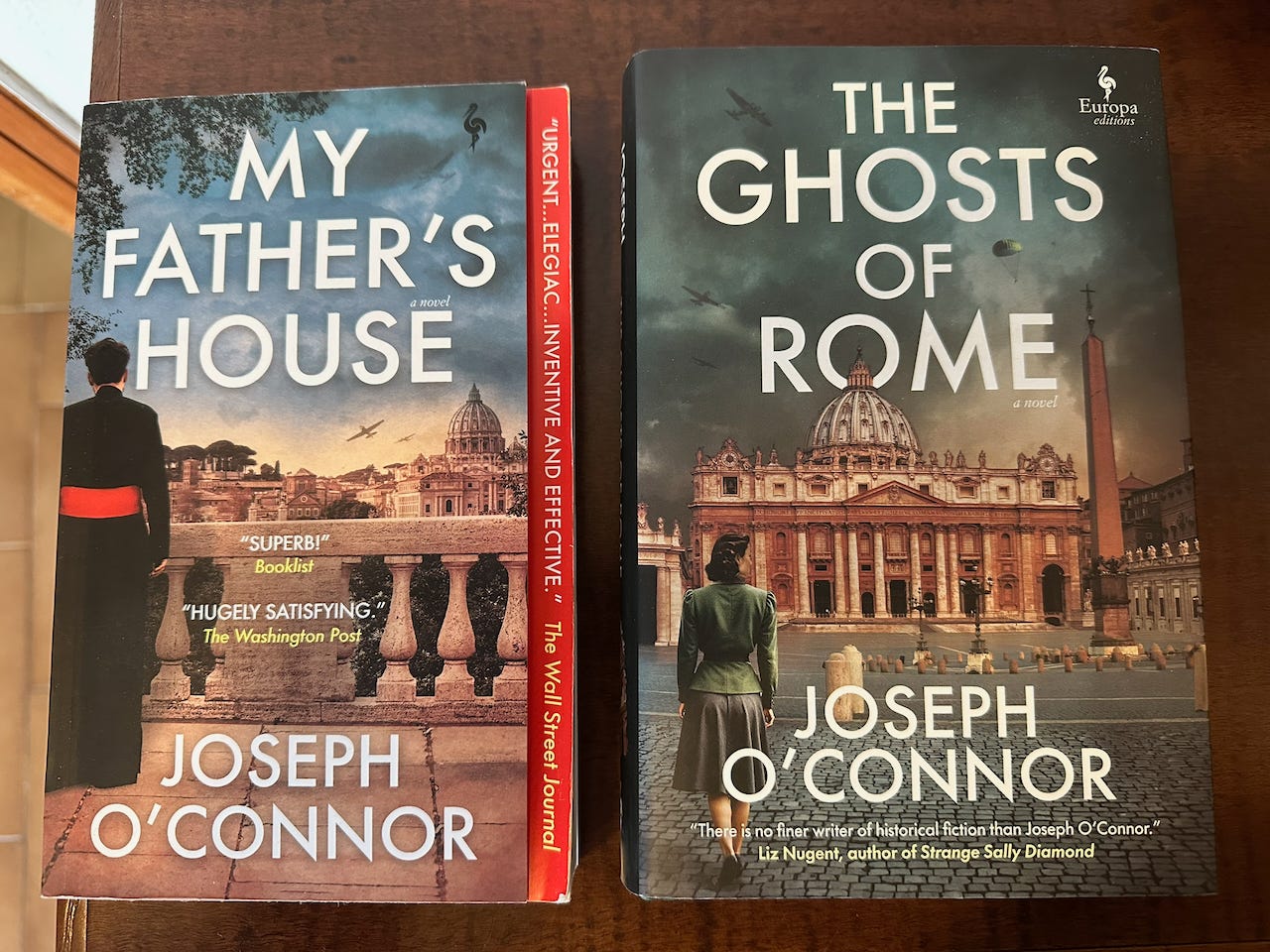
I recently finished reading the first two novels in Joseph O’Connor’s new “Escape Line” trilogy.4 Set in Nazi-occupied Rome toward the end of the war, the books focus on the organized efforts of a group known as The Choir, which is seeking to smuggle thousands of Jews and escaped Allied prisoners to safety, putting themselves in grave danger in the process.
I was not previously familiar with O’Connor’s work, but I found his writing to be excellent. These are literal page-turners, especially “My Father’s House.” You can order them here.5
All photographs © 2026 Michael TenBrink (except for the screenshots of Bruno Ganz and Ulrich Matthes). All rights reserved.
Britain’s Channel 4 advertised the film with the tagline: “It’s a happy ending. He dies.”
I visited the site of the Führerbunker when I was in Berlin in 2024. There’s a sign with some information and a diagram of the bunker, but it’s mostly just a parking lot now. It was such an unremarkable spot that I didn’t even take a photo of it—which I now regret. You can read more about it and see photos from NPR here.
I believe the third and final book is set to release this year.
The great thing about ordering from Bookshop.org instead of Amazon is that your money goes to support local bookstores rather than to billionaire Jeff Bezos, who continues his pathetic quest to ingratiate himself with “America’s Hitler.”
My God this is enlightening. I will watch the movie. Many thanks. Also those books by Joseph O’Connor look amazing as well.
Nicely done! I followed a long study in Nazi Germany in college - so all of this was fairly familiar. I recommend also checking out Lucy Davidowiscz book The WAr Against the Jews. And a fascinating nook about the new discovery of the debauchery and drug use among the Nazi Elite was published not long ago. Blitzed - by Norman Ohler.